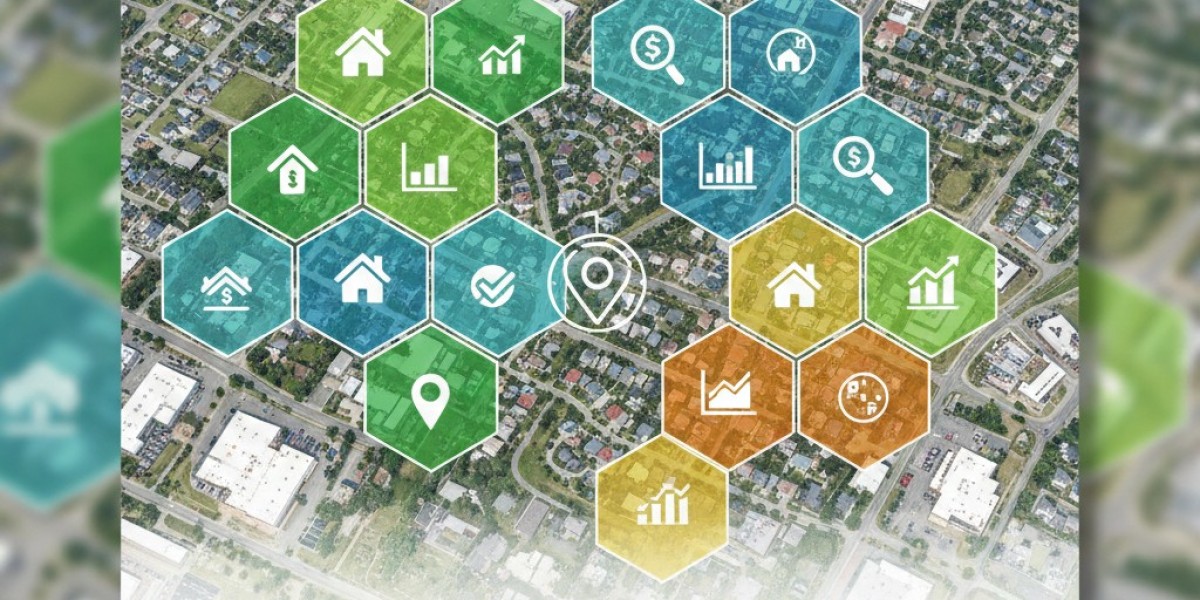

Real estate activity shifts each year. Yet, some methods remain useful regardless of the market cycle. Geo farming is one of the strongest methods because it allows agents to gain steady visibility in a single neighborhood. It also helps build long-lasting trust among residents.
Many agents focus too broadly. They try to market to many zones at once. This usually leads to weak results. Geo farming provides a structured plan that concentrates attention on one defined area. Instead of reaching out everywhere, you build a steady presence in one community. That focus creates stronger recall, better lead quality, and more predictable outcomes.
Geo farming works through continuous outreach. You pick one neighborhood. You send updates regularly. You attend events or support community activities. You stay active across multiple channels. Over time, residents see your name often. That consistency creates trust. It also places you ahead of competitors who only appear when a sale occurs.
This guide explains what geo farming in real estate means, why it works, and how agents can apply it with accuracy and confidence.
What Geo Farming Actually Means
Geo farming means selecting one neighborhood and building strong visibility there through repeated contact. You study local trends. You monitor pricing shifts. You follow the listing activity and turnover. You then share these insights with homeowners in a steady pattern.
You also maintain a clear identity. People should recognize your materials. They should understand the value you bring. Your goal is to become the first person they think of when they need real estate advice.
It depends on steady repetition rather than complex tactics. The strategy works only when you commit to consistent outreach. Many agents ask what is geo farming in real estate because they hope for fast results, but the process takes time. Every touchpoint strengthens your visibility. Each update you share adds to your credibility and builds trust within the neighborhood.
Why Geo Farming Works Better Than Broad Marketing
Geo farming outperforms wide marketing because it focuses attention. People respond best to someone who knows their area well. A specialist gains stronger trust than a general agent. Homeowners want insights based on real patterns, not general trends.
They also feel more comfortable contacting someone who communicates often. Frequent updates show commitment. They help build familiarity. Once that familiarity grows, residents begin to share information, ask questions, or request advice. These moments create warm leads.
Another key benefit is market knowledge. When you study one area closely, you gain deeper insight into its behavior. You learn how fast homes sell. You understand price shifts. You observe buyer interest patterns. This knowledge helps you guide clients with confidence. It also helps you predict changes before they appear in larger reports.
Core Elements That Make Geo Farming Effective
A successful geo farm includes several important parts. Each part strengthens your presence and supports long-term momentum.
Clear Geographic Boundaries
You select a zone with intention. The area should not be too large. A good farm often includes 500 to 1,000 homes. This size keeps outreach manageable. It also ensures you can reach each household often.
Consistent Branding
Residents must recognize your name or logo. Use the same colors, fonts, and tone across all materials. Consistency reinforces trust.
Repeated Contact
People forget quickly. Real estate decisions happen infrequently. Regular contact keeps you top-of-mind. Cards, reports, emails, and ads work best when used together.
Local Knowledge
Share information that matters to that specific community. Do not rely on generic tips. People value insights that guide them on their own street.
Long-Term Commitment
Results build slowly. Most agents see early movement after a few months. Strong traction often appears around the sixth month. Full authority builds after one year or more.
How to Pick the Best Area for Geo Farming
Choosing the right area is the single most important step. Strong results come from careful selection, not guesswork.
Study Turnover Rates
Turnover shows how often homes sell in that neighborhood. A good farm has a turnover rate of around 6% or higher. Higher turnover means more chances to secure listings.
Check Property Values
Make sure the price range aligns with your goals. Higher-value areas bring larger commissions but may move more slowly. Lower-value neighborhoods move faster but produce smaller returns. Choose a balance that fits your business plan.
Measure Current Competition
Look for areas where competition is moderate. If one agent dominates the entire neighborhood, entry becomes difficult. Instead, look for zones where homeowners receive mixed marketing from many agents. This situation gives you room to stand out.
Consider Personal Connection
If you live near the area, know many residents, or spend time there often, you gain an immediate advantage. People trust familiarity.
Check for Long-Term Stability
Stable neighborhoods provide steady results. Avoid zones with declining property values or uncertain development plans.
How Geo Farming Works Step-by-Step
Once you select the right zone, follow these steps to build momentum.
1. Gather Accurate Local Data
Study recent sales. Review price changes. Track pending and closed transactions. Learn the rhythm of the neighborhood. Accurate data helps you produce credible updates.
2. Build a Message That Residents Understand
Keep your message simple. Focus on helping, not selling. Share updates that matter to homeowners. Use clear and helpful language.
3. Use Mail as a Core Tool
Mailers remain effective because homeowners still read printed material. Send postcards, reports, and flyers. Keep designs clean and easy to follow.
4. Show Up in the Community
Walk the neighborhood. Say hello to residents. Support local groups. Attend gatherings. Simple presence goes a long way.
5. Add Digital Touchpoints
Use social posts targeted to the same zone. Share quick updates. Create short videos about recent market shifts. Keep content easy to understand.
6. Follow Up With Every Lead Quickly
Leads lose interest fast. Respond the same day. Provide helpful answers. Offer local data. Clear follow-up raises your conversion rate.
7. Measure and Improve
Track every campaign. Look at response rates. Study which mailers perform well. Improve based on numbers, not assumptions.
Ways to Build Stronger Influence in Your Geo Farm
Some steps help you grow faster. These methods strengthen your connection with residents.
Share Stories of Local Success
People connect with real examples. Show how you helped a seller in that area. Share simple before-and-after results. Keep stories short and honest.
Create Local Guides
Offer a guide for homeowners planning to sell soon. Provide steps they should take. Include pricing insights from their own neighborhood.
Bring Value Through Reports
Monthly or quarterly reports show long-term changes. Homeowners enjoy quick snapshots of prices and activity. Reports keep your presence steady.
Use Signs Strategically
Signs increase visibility. Even one listing can build strong recognition. Keep them clean and well-designed.
Host Helpful Community Sessions
Hold a small Q&A session at a local venue. Allow residents to ask questions. Simple events build strong relationships.
Common Mistakes and How to Avoid Them
Agents often make avoidable mistakes when starting. Here are the most common issues.
Spreading Efforts Too Wide
A large farm weakens your presence. Keep your area focused. Strength grows with repetition.
Inconsistent Contact
Momentum drops when you skip months. Keep a fixed schedule. Consistency supports trust.
Weak Messaging
Vague claims do not help. Share clear and simple updates. Provide real local information.
Stopping Too Early
Many agents stop after three months. This method needs time. Results grow with persistence.
Poor Tracking
Track everything. Data shows you what works. It also prevents wasted effort.
How Long Until Geo Farming Produces Results?
Results depend on consistency and area choice. Some agents see early interest within two months. Many see stronger traction around six months. Real influence builds after a year of steady outreach. The timeline varies, yet the pattern stays similar. This method rewards patience, not speed.
Why Geo Farming Supports Long-Term Growth
Real estate markets shift. Lead sources change. Yet geo-farming remains stable because it builds authority through repeated presence. When residents trust you, they stay connected for years. They refer friends. They return when ready to sell. Your farm becomes a long-term asset.
Agents who commit to this method often see predictable income. They gain more listings with less effort over time. They also build deeper relationships within their chosen community.
Geo farming provides a foundation that supports growth even in slow markets. That reliability makes it one of the strongest strategies available today.
Conclusion
Geo farming remains one of the clearest paths to steady growth in a competitive market. Agents who ask what is geo farming in real estate often seek a system that brings structure and reliability. With consistent outreach, strong local knowledge, and long-term commitment, this strategy becomes a powerful source of listings and referrals.
Start using what is geo farming in real estate as your core strategy. Build steady presence, gain trust, and grow your business with Harvist through clear, consistent outreach in one well-chosen neighborhood.