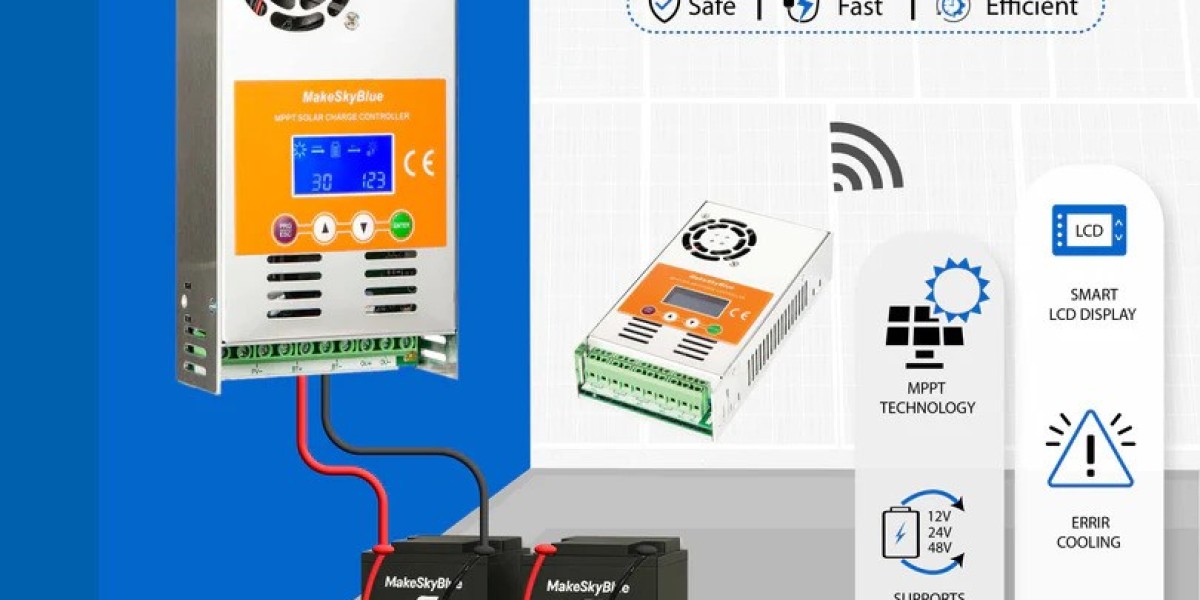

As solar energy becomes increasingly popular for homes, businesses, and off-grid setups, simplifying the system without compromising efficiency is essential. One solution gaining traction is the All-in-One Solar Charge Controller. These integrated systems combine a solar charge controller and inverter in a single unit, offering convenience, efficiency, and reliability.
This guide will cover what an all-in-one solar charge controller is, why it’s beneficial, key features to consider, installation tips, and best practices for maintaining optimal performance.
What Is an All-in-One Solar Charge Controller?
Traditionally, a solar power system requires multiple components:
A solar charge controller to manage current and voltage from panels to batteries
A battery bank for energy storage
An inverter to convert DC power from batteries to AC power for household appliances
An all-in-one solar charge controller integrates these functions into a single device. This combination allows for:
MPPT (Maximum Power Point Tracking) charge control for higher energy harvest
Battery management to prevent overcharging or deep discharging
Pure sine wave inversion to power AC appliances safely
By combining these functions, all-in-one units simplify installation, reduce wiring complexity, and save space — making them ideal for residential, off-grid, and remote setups.
Advantages of Using an All-in-One System
1. Simplified Installation
All-in-one systems reduce the number of components and wiring required. This not only saves time but also minimizes potential installation errors.
2. Space and Cost Efficiency
Since the controller and inverter are integrated, you save space and reduce overall equipment costs compared to purchasing separate components.
3. Enhanced Compatibility
All-in-one units are engineered for their internal components to work seamlessly together, eliminating compatibility issues that sometimes arise with separate devices.
4. Smart Energy Management
Modern units include monitoring features, automatic load prioritization, and battery protection mechanisms, ensuring your system operates safely and efficiently.
Key Features to Consider
When selecting an all-in-one solar charge controller, consider these essential features:
MPPT Technology: Maximizes energy harvested from solar panels by constantly tracking the optimal voltage and current.
Battery Compatibility: Supports multiple battery types, including LiFePO4, lead-acid, AGM, and gel batteries.
Inverter Output: Pure sine wave output is essential for sensitive electronics and appliances.
System Voltage & Capacity: Ensure the unit matches your solar panel array, battery bank, and load requirements.
Safety Features: Overcharge, overcurrent, reverse polarity, and temperature protection are critical for system longevity.
Cooling and Ventilation: Adequate thermal management ensures reliable operation under high loads.
Monitoring & Control: LCD displays, remote monitoring, and configurable modes help maintain system performance.
Installation Best Practices
To ensure optimal performance and safety:
Plan Your System Capacity: Calculate daily energy needs and match them to the all-in-one unit’s ratings.
Use Proper Wiring: Follow recommended cable sizes to handle the current safely.
Ensure Adequate Ventilation: Install in a well-ventilated area to prevent overheating.
Set Battery Parameters Correctly: Configure the system for your battery type and charging profile.
Follow Correct Wiring Sequence: Typically, connect batteries first, then solar panels, and finally the load.
Monitor the System Regularly: Check battery voltage, inverter output, and overall performance periodically.
Who Should Use an All-in-One Solar Charge Controller?
All-in-one systems are ideal for:
Homeowners seeking a compact and easy-to-install solar solution
Off-grid or rural homes where space and wiring complexity are limited
Small commercial setups requiring reliable backup power
New solar users who want simplified installation and monitoring
However, for large-scale or highly customized solar systems, separate controllers and inverters may offer more flexibility and scalability.
Conclusion
A All-in-One Solar Charge Controller is an efficient, compact, and user-friendly solution for many solar installations. By combining MPPT charge control, battery management, and inverter functionality into a single unit, it simplifies installation, enhances system reliability, and reduces costs.
For homeowners, off-grid users, and small commercial setups, all-in-one systems provide an ideal balance of convenience, performance, and safety — making solar power more accessible than ever.