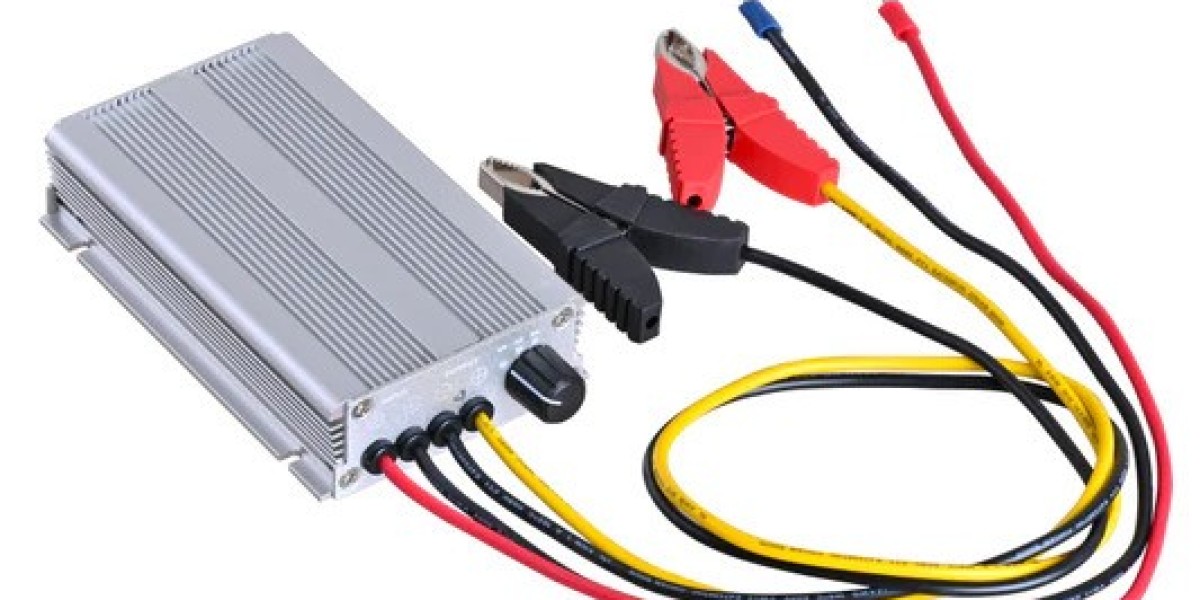

In the ever-evolving world of electronics and industrial systems, delivering reliable and stable power is essential. Devices today operate under varied power sources, from batteries to solar panels, and often in unpredictable environments. Ensuring that these devices receive a consistent voltage is crucial for optimal performance and longevity. This is where a wide input range DC DC converter comes into play, offering flexibility, efficiency, and stability even under fluctuating power conditions.
This comprehensive guide explores everything you need to know about these converters: what they are, how they work, their advantages, applications, and tips for selecting the right model for your system.
What Is a Wide Input Range DC‑DC Converter?
A wide input range DC‑DC converter is a type of power supply that accepts a broad range of input voltages and converts them into a stable, regulated output voltage. Unlike traditional DC‑DC converters designed for a narrow voltage range, wide input range converters can handle significant variations in input voltage without compromising output stability.
For example, a converter may operate with inputs ranging from 10V to 60V and still deliver a constant 12V output. This capability makes them ideal for applications where power sources are unpredictable, such as battery-powered vehicles, renewable energy systems, and industrial automation.
How Wide Input Range DC‑DC Converters Work
These converters typically use a combination of switching regulator topologies, such as buck, boost, or buck-boost circuits, to maintain a consistent output. Here's a simplified breakdown:
Input Stage: The incoming voltage is filtered and conditioned to smooth out spikes and fluctuations.
Conversion Stage: A high-frequency switching circuit adjusts the voltage level, stepping it up or down as needed.
Output Stage: The converted voltage is filtered and regulated to ensure a clean, stable output with minimal ripple or noise.
Advanced converters continuously monitor both input voltage and output load to dynamically adjust internal parameters, ensuring consistent performance even in challenging conditions.
Key Advantages of Wide Input Range DC‑DC Converters
1. Flexibility Across Input Sources
These converters can operate efficiently across a wide spectrum of voltages, reducing the need for multiple power supply designs. This is particularly beneficial for systems that may be powered by batteries, solar panels, or other variable sources.
2. Stability Under Fluctuating Conditions
A wide input range converter can handle sudden spikes or dips in input voltage without affecting the output. This ensures critical devices continue to operate reliably, which is vital in industrial and renewable energy applications.
3. High Efficiency
Modern wide input range DC‑DC converters achieve efficiency levels between 92% and 96%. High efficiency reduces heat generation, lowers energy loss, and minimizes the need for additional cooling solutions.
4. Simplified System Design
By combining multiple functionalities into a single device, these converters reduce the number of components required. Engineers can design more compact, modular, and cost-effective systems.
5. Built-In Protection Features
Many converters include protections such as over-voltage, over-current, thermal shutdown, and input undervoltage lockout, enhancing system safety and longevity.
Applications of Wide Input Range DC‑DC Converters
These converters are highly versatile and suitable for a range of industries and applications:
Renewable Energy Systems
Solar panels and wind turbines produce variable voltages based on environmental conditions. Wide input range converters ensure stable power delivery to batteries, inverters, and connected devices.
Electric Vehicles and Battery-Powered Machines
Electric vehicles, forklifts, and golf carts experience fluctuating battery voltages during operation and charging. A wide input range converter provides consistent output to electronics and accessories regardless of battery state.
Industrial Automation
Automation systems and industrial machinery often operate in environments with noisy or variable power. Wide input range converters maintain stable voltages, ensuring reliable operation of sensors, controllers, and communication devices.
OEM Products and Multi-Market Devices
For manufacturers designing products for different regions or systems, a single wide input range converter can replace multiple narrow-range power supplies, simplifying inventory and reducing production costs.
Choosing the Right Wide Input Range DC‑DC Converter
When selecting a converter, consider the following factors:
Input Voltage Range: Ensure it covers the minimum and maximum expected voltages.
Output Voltage and Current: Match the requirements of your load and include headroom for peak demands.
Efficiency: Check efficiency across the entire input range, not just at nominal voltage.
Thermal Management: Evaluate heat dissipation requirements, cooling, and environmental conditions.
Protection Features: Look for over-voltage, over-current, thermal, and EMI protections.
Form Factor and Mounting: Ensure compatibility with your system’s size and design constraints.
Reliability and Quality: Choose converters from reputable manufacturers with proven track records.
Advantages and Limitations
Advantages:
Can operate over a wide range of voltages
Provides stable output under fluctuating conditions
High efficiency and reduced heat generation
Simplifies design and reduces component count
Includes protective features for safety and reliability
Limitations:
May be more expensive than narrow-range converters
Efficiency can slightly drop at the extreme ends of the input range
Switching noise may affect sensitive electronics
Requires careful PCB layout and thermal management
Best Practices for Using Wide Input Range DC‑DC Converters
Assess Input Power Sources Thoroughly: Understand voltage fluctuations and provide margins for spikes or drops.
Calculate Load Requirements Accurately: Include continuous and peak currents with headroom.
Monitor Efficiency: Ensure optimal performance across the expected voltage range.
Implement Thermal Management: Use heat sinks, proper airflow, and thermal vias as needed.
Plan for EMI Mitigation: Add filtering and separation for sensitive circuits.
Choose Reliable Manufacturers: Ensure quality, warranty, and technical support.
Test Under Real-World Conditions: Validate performance with actual load and environmental scenarios.
Future Trends
Wide input range DC‑DC converters continue to evolve, with trends such as:
Higher power density and smaller form factors
Advanced control algorithms for dynamic efficiency optimization
Better EMI and noise management for sensitive applications
Integration with renewable energy systems and microgrids
Modular and configurable platforms for OEM flexibility
Conclusion
Wide input range DC‑DC converters are a cornerstone of modern power management. They provide flexibility, stability, and efficiency across a wide spectrum of input voltages, making them ideal for renewable energy, industrial automation, electric vehicles, and multi-market OEM products.
By understanding their operation, benefits, and design considerations, engineers and system integrators can implement reliable and efficient power solutions that perform consistently under variable conditions.
For anyone designing or maintaining systems with variable input sources, a wide input range DC DC converter is not just a convenience — it’s a necessity.