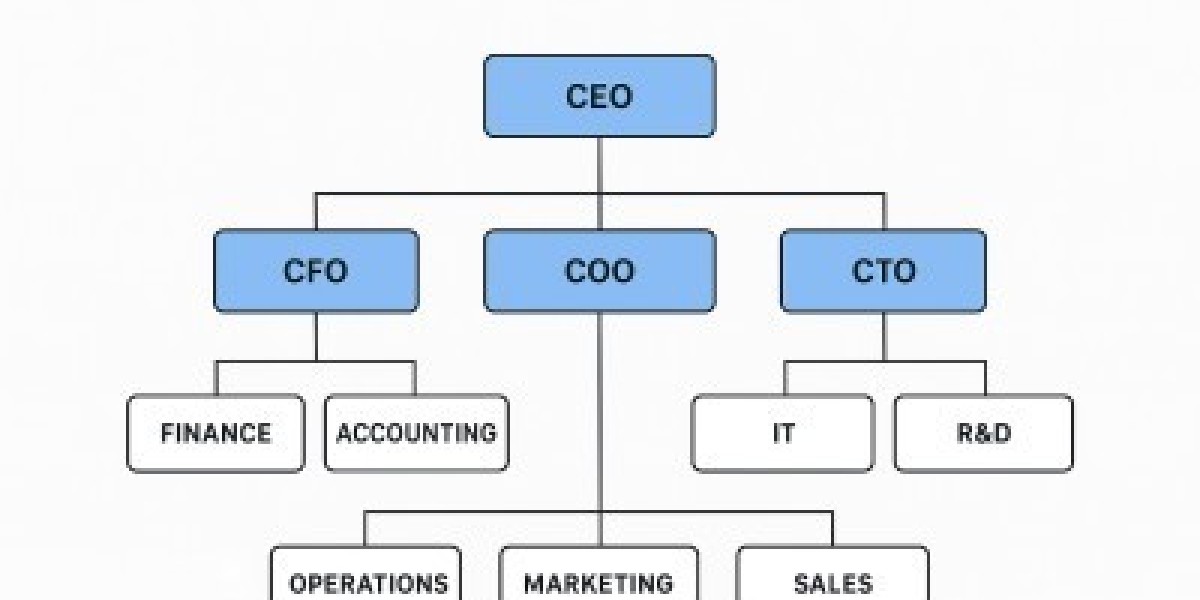

Organizational charts have long been used to visualize how teams are structured, who manages whom, and how responsibilities are distributed across a company. But modern businesses—especially those dealing with rapid change, digital transformation, or cross-functional collaboration—need more than a static diagram. They need an actionable org chart.
Unlike traditional charts that simply map hierarchy, an actionable org chart focuses on how people interact, how workflows move, and how tasks and decisions are executed. It reflects not just structure, but function. As organizations shift toward agility, collaboration, and data-centered decision-making, understanding how to build and use an actionable org chart becomes essential.
This article explores what actionable org charts are, why they matter, how they improve decision-making, and how companies can implement them in practical, meaningful ways.
1. What Is an Actionable Org Chart?
An actionable org chart goes beyond a visual representation of roles. It integrates behavioral, operational, and strategic layers to deliver a full picture of how the organization actually works.
A traditional org chart answers:
Who reports to whom?
What titles exist within the organization?
Which departments or business units are connected?
An actionable org chart answers:
How does information flow?
Which teams collaborate on what processes?
Where are the decision-making bottlenecks?
What skills and capabilities exist across the workforce?
How does structure support (or hinder) strategy?
In essence, it transforms a static hierarchy into a dynamic operational map.
2. Why Organizations Need Actionable Org Charts Today
Businesses operate in a much more complex environment than they did a decade ago. Remote work, automation, shifting buyer preferences, and competition demand clarity and adaptability.
Here’s why the actionable org chart has become a necessity:
a. It Improves Real-Time Decision-Making
Executives often struggle to identify where delays or inefficiencies originate. An actionable org chart highlights:
Role overlap
Workflow redundancies
Communication gaps
Areas with unclear accountability
This leads to faster, more confident decisions.
b. It Helps Align Structure With Strategy
If a company wants to expand into new markets, develop new technologies, or adopt new customer service models, its internal structure must support those goals. Actionable org charts reveal whether the current layout fits the future direction.
c. It Supports Cross-Functional Collaboration
Modern projects rarely stay confined within a single department. Marketing, IT, operations, HR, finance, and customer experience all need to collaborate.
An actionable org chart maps these interdependencies and helps teams understand how their work connects.
d. It Enhances Workforce Planning
Companies can uncover:
Skill gaps
Talent redundancies
Leadership capacity
Under- or over-staffed units
Opportunities for restructuring
This ensures smarter hiring, training, and resource allocation.
e. It Keeps Remote and Hybrid Teams Aligned
With teams distributed across locations, time zones, and work styles, clarity becomes critical.
Actionable org charts help employees understand who to contact, how teams operate, and how responsibilities integrate across virtual environments.
3. Key Elements of an Actionable Org Chart
To be effective, an actionable org chart includes more than boxes and reporting lines. Its value comes from additional layers of context and insight.
a. Roles and Responsibilities
Beyond job titles, actionable org charts specify:
Core responsibilities
Key performance areas
Required competencies
This reduces confusion about who handles what.
b. Workflows and Dependencies
Mapping workflows helps identify:
Where teams rely on others
Which tasks move through multiple departments
Locations of potential bottlenecks
Workflow visualization is one of the defining features of an actionable org chart.
c. Information Flow
Knowing how information moves is crucial.
Actionable org charts identify:
Communication channels
Leadership escalation paths
Feedback loops
This prevents misalignment and improves collaboration.
d. Decision-Making Authority
Decision-making roles are often not obvious from a traditional org chart. An actionable model clarifies:
Who approves processes
Who is responsible for outcomes
Who is accountable for major decisions
This creates transparency and builds trust.
e. Team Capabilities
An actionable org chart may incorporate data about:
Skill sets
Certifications
Experience levels
Leadership development progress
This helps guide project assignments and resource planning.
f. Inter-Team Relationships
The chart shows how teams connect operationally—not just hierarchically—such as:
Partnerships between IT and operations
Customer experience and product teams
HR and learning teams during onboarding
These connections reflect how work is actually done.
4. How to Build an Actionable Org Chart
Creating an actionable org chart requires a strategic approach, combining data gathering with organizational insight.
Step 1: Define the Purpose
Ask what the org chart should help solve:
Improved communication?
Structural clarity?
Strategic planning?
Workforce optimization?
Better onboarding?
The purpose determines the depth and features of the chart.
Step 2: Collect Accurate Data
Gather information from:
HR systems
Leadership interviews
Team surveys
Project management tools
Workflow analytics
Job descriptions
Accurate data ensures the chart reflects reality.
Step 3: Map the Hierarchy
Start with the traditional structure:
Leadership
Departments
Sub-teams
Individual roles
This forms the foundation of the actionable chart.
Step 4: Add the Action Layers
Incorporate dynamic components like:
Responsibilities
Workflows
Skills
Collaboration lines
Decision-making paths
Reporting relationships beyond hierarchy (matrix roles)
This transforms the chart from static to actionable.
Step 5: Integrate Tools or Software
Many organizations use digital platforms to maintain and update org charts.
Automation ensures the chart stays relevant as people, roles, and processes evolve.
Step 6: Review With Stakeholders
Department heads and project leads should validate:
Accuracy
Clarity
Completeness
Feedback ensures the chart reflects how work actually happens.
Step 7: Communicate and Train
An actionable org chart is only useful if employees know:
Where to find it
How to use it
Why it matters
Training increases adoption.
5. Benefits of Using an Actionable Org Chart
Companies that adopt actionable org charts often experience significant improvements in transparency, efficiency, and alignment.
a. Reduced Miscommunication
Teams gain clarity on:
Who to contact
How responsibilities flow
Where information originates
This decreases errors and improves speed.
b. Better Resource Allocation
Leaders can quickly determine:
Skill shortages
Overstaffed areas
Hidden capabilities within teams
This leads to smarter planning and budgeting.
c. Enhanced Employee Engagement
Employees feel more confident and informed when responsibilities and communication paths are transparent.
d. Stronger Cross-Functional Execution
With clearer maps of collaboration, teams coordinate better on projects, campaigns, and operational tasks.
e. Greater Organizational Agility
Companies can pivot faster because decision-making lines and workflows are clearly defined.
6. Actionable Org Charts in Modern Business Scenarios
Actionable org charts are valuable in many real-world use cases.
a. During Mergers and Acquisitions
They help leaders understand:
Redundant roles
Cultural differences
Integration points
Transition pathways
This reduces complexity and supports smooth consolidation.
b. While Scaling Startups
Growing companies often struggle with chaotic or unclear structures.
An actionable org chart provides:
Clear reporting
Defined responsibilities
Scalable workflows
Leadership readiness mapping
It keeps growth aligned and manageable.
c. For Remote Workforces
Remote teams need structure.
Actionable org charts:
Clarify virtual workflows
Define accountability
Support digital collaboration
This reduces confusion and strengthens productivity.
d. In Digital Transformation Initiatives
When adopting new tools or systems, companies must often restructure.
Actionable org charts reveal:
Who leads change
Which teams require new skills
How processes must shift
They act as guides for transformation.
7. Tips for Maintaining an Actionable Org Chart
Because organizations are constantly changing, maintenance is essential.
Update the chart after hiring, promotions, or restructuring
Review workflows every quarter
Audit decision-making paths annually
Integrate HR systems for automated updates
Ensure leaders validate changes
Make the chart easily accessible to all employees
A well-maintained actionable org chart stays relevant and useful.
FAQ: Actionable Org Chart
1. What makes an org chart “actionable”?
An actionable org chart includes not only hierarchy but also responsibilities, workflows, decision-making processes, communication paths, and capability data, making it usable for real operational decisions.
2. How is an actionable org chart different from a traditional one?
Traditional org charts show reporting structure, while actionable org charts show how work gets done, who collaborates, and how information and decisions flow.
3. Why should companies use an actionable org chart?
It helps improve efficiency, clarify responsibilities, enhance communication, and support strategic planning and workforce development.
4. Who uses actionable org charts?
Executives, HR teams, managers, project leaders, and employees use them to understand structure, workflows, and responsibilities.
5. How often should an actionable org chart be updated?
Ideally, whenever roles, teams, or processes change. Many organizations update them quarterly or use software that maintains them automatically.