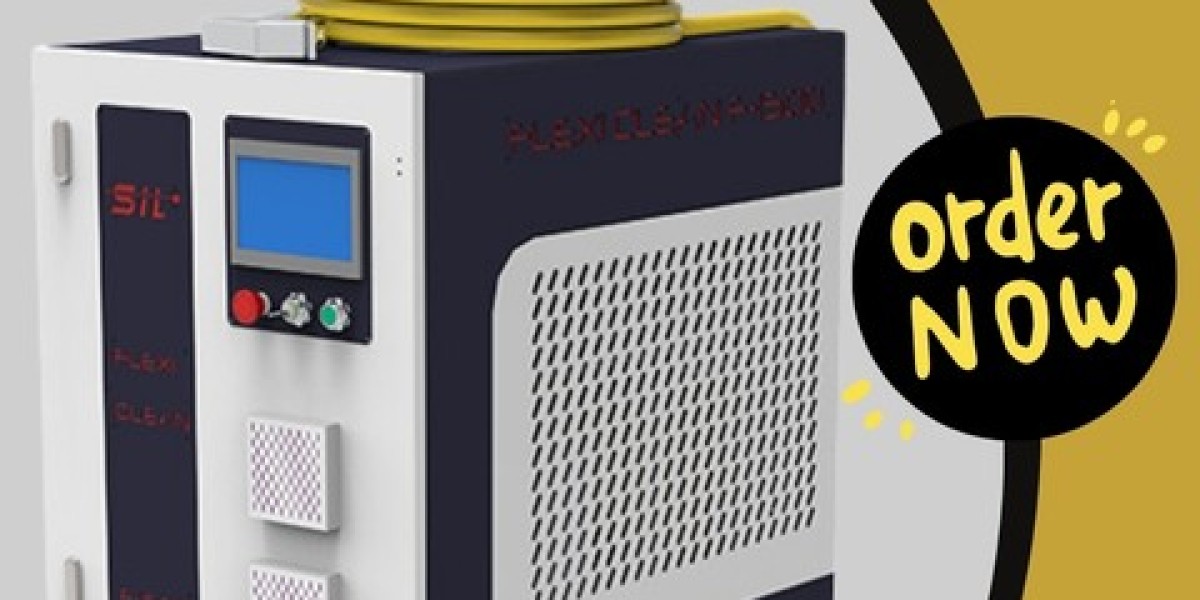

Traditional rust removal methods such as chemical treatments, sanding, or abrasive blasting can be labor-intensive, messy, and sometimes harmful to both the metal and the environment. The laser rust cleaner offers a modern solution, bringing precision, efficiency, and versatility to metal surface maintenance.
At its core, a laser rust cleaner uses high-intensity light to remove corrosion from metal surfaces. Unlike conventional techniques, this method targets only the rust layer without affecting the base material. This precision is essential when dealing with delicate components in industries such as aerospace, automotive, or electronics, where even minor surface damage can result in performance issues or failure.
Laser rust cleaning is not limited to industrial applications. Hobbyists and restoration experts also benefit from its ability to clean metal surfaces without the risk of damaging underlying paint or intricate designs. For example, vintage car restorers can remove years of oxidation and corrosion from frames and tools while preserving the original finish of the metal. Similarly, jewelry makers and small metalworking workshops can achieve spotless surfaces without harsh chemicals.
The technology behind laser rust cleaning involves controlled pulses of laser energy that are absorbed by the rust layer. These pulses cause the rust to heat up and break apart, turning into fine particles that can be easily brushed or vacuumed away. This process is precise enough to handle thin metal sheets or sensitive instruments, while still being powerful enough to tackle heavily corroded industrial machinery.
Environmental considerations are another area where laser rust cleaners stand out. Traditional methods often involve chemical solutions that can generate toxic runoff or create hazardous waste. In contrast, laser rust cleaning produces minimal residue, eliminating the need for extensive chemical disposal processes. This makes it an attractive option for businesses seeking to maintain sustainability standards while keeping their metal equipment in optimal condition.
Safety is also a significant factor. While operating a laser requires proper training and protective equipment, it reduces the need for manual scraping or handling corrosive substances, which are common sources of workplace injuries. The ability to control intensity and focus means operators can clean hard-to-reach areas without physically touching the metal, further minimizing risk.
Industries that rely heavily on metal infrastructure, such as shipbuilding, manufacturing, and energy production, find laser rust cleaners particularly valuable. Corrosion on critical components like pipelines, turbines, or structural beams can lead to costly downtime and safety hazards. By integrating laser rust cleaning into maintenance routines, companies can extend the lifespan of their equipment and improve operational reliability.
From a practical standpoint, the versatility of laser rust cleaners makes them suitable for a wide range of metals, including steel, iron, aluminum, and copper. Operators can adjust settings to match the type of metal and the severity of corrosion, ensuring efficient cleaning without causing deformation or surface damage. This flexibility is particularly beneficial for facilities handling multiple types of equipment or materials.
Moreover, laser rust cleaning can be faster than traditional methods. Time-intensive processes like sandblasting or chemical dipping require preparation, application, and cleanup, whereas laser cleaning allows for direct treatment of the rusted areas with minimal setup. This efficiency translates into reduced labor costs and increased productivity, especially in industrial settings where downtime can have significant financial implications.
The adoption of laser rust cleaning technology is steadily growing across sectors. Workshops and factories that invest in these systems often see improvements not only in the quality of maintenance but also in operational workflows. The precision and reliability of laser cleaning complement modern manufacturing practices, including lean management and predictive maintenance, by reducing unnecessary waste and improving equipment longevity.
Even for personal or small-scale applications, laser rust cleaners provide a practical solution. Enthusiasts restoring bikes, tools, or metal furniture can achieve professional-grade results without complicated procedures or extensive manual effort. The combination of portability, ease of use, and effectiveness makes laser rust cleaning accessible to a broader audience beyond industrial users.
Training and operator expertise play a role in maximizing the benefits of laser rust cleaning. While the technology is designed for ease of use, understanding material properties, laser settings, and safety protocols ensures consistent outcomes. Many manufacturers provide guidance, manuals, and workshops to equip operators with the knowledge needed for safe and effective operation.
Final Thoughts
Laser rust cleaning is more than a trend; it is a technological advancement that addresses longstanding challenges in metal maintenance. Its precision, speed, and environmental friendliness position it as an essential tool for modern workshops, industries, and hobbyists alike. As industries continue to demand efficient and sustainable solutions, laser rust cleaner are set to become a standard in corrosion management.