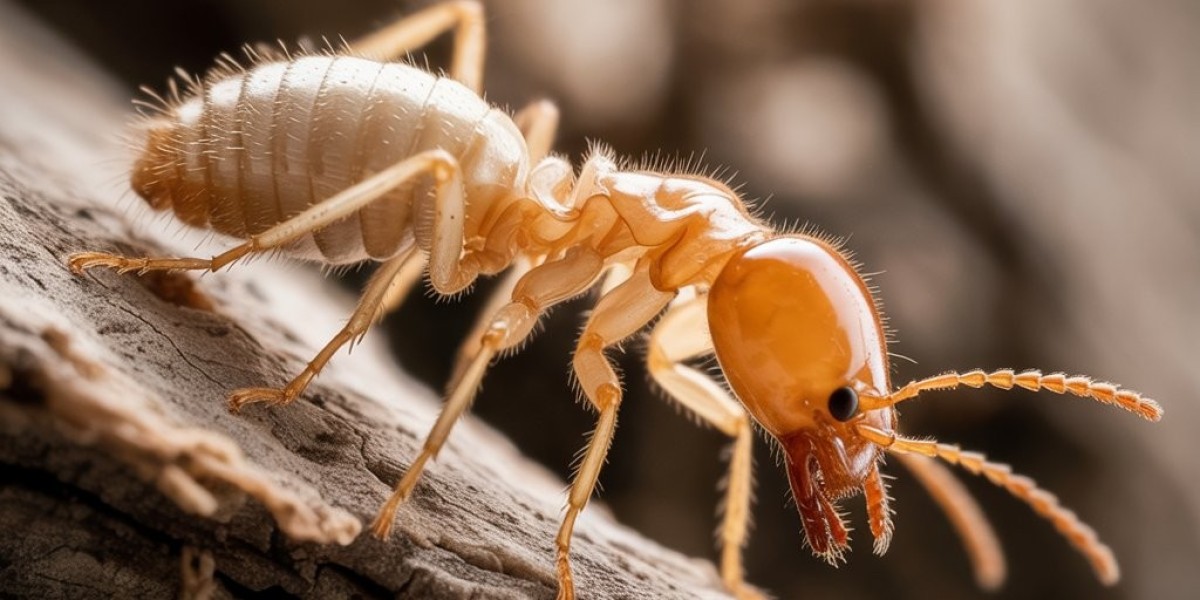

Termites are among the most destructive pests for homeowners. Often referred to as "silent destroyers," they can silently consume wood, insulation, and even wiring, causing irreparable damage before you even notice their presence. If you've recently discovered a termite infestation in your home, it’s essential to take quick action to prevent further damage. Emergency termite treatment is vital for protecting your property and ensuring that the infestation is addressed immediately.
In this article, we’ll guide you through the steps to take when you spot a termite infestation, how to assess the damage, and why seeking professional termite treatment in Gold Coast is crucial. With early intervention, you can minimize the damage and get your home back to its termite-free state in no time.
Recognizing the Signs of a Termite Infestation
The first step in handling a termite infestation is recognizing the signs of their presence. Termites are often difficult to detect because they tend to stay hidden, feeding inside the wood or under the surface of your home. Here are the common signs you should be on the lookout for:
1. Mud Tubes on Walls and Foundations
Termites build mud tubes as protective tunnels to travel between their nest and the food source (usually wood). If you notice these mud-like tubes along your foundation walls, windowsills, or basement areas, it's a clear indication that termites are present.
2. Hollow Sounding Wood
Tap on wooden surfaces around your home, such as beams, floorboards, or furniture. If the wood sounds hollow or gives way easily, termites may have already eaten through the inside, leaving just a thin outer layer intact.
3. Frass (Termite Droppings)
Termite droppings, also known as frass, resemble sawdust or tiny wood pellets. If you find piles of this material near wood or other infested areas, it's a strong sign that termites have been feeding on the wood nearby.
4. Bubbling or Peeling Paint
Termites can create moisture under wooden surfaces, leading to bubbling or peeling paint. If you notice such damage on woodwork or furniture, it might be caused by termite activity beneath the surface.
5. Swarms of Winged Insects
During certain seasons, typically in spring or early summer, termites swarm in search of new places to establish a colony. If you see winged insects resembling ants flying around your home, particularly near windows or light sources, it’s a sign that termites have likely invaded the property.
What to Do When You Spot a Termite Infestation
Once you’ve identified the signs of a termite infestation, it’s important to act quickly. Delaying treatment can lead to further damage, and in severe cases, compromise the structural integrity of your home. Here’s what you should do immediately after spotting termites:
1. Don’t Panic – Stay Calm
While discovering termites can be alarming, it’s important to stay calm and approach the situation methodically. Termites do not usually cause visible damage overnight, so there’s often time to address the issue properly without causing undue stress.
2. Isolate the Affected Area
If possible, isolate the area where you’ve seen signs of termite activity. If you’ve noticed mud tubes along a wall, try to prevent access to the area until a professional can assess the situation. Avoid disturbing the termites or the area too much, as this could force them to move to other parts of the home.
3. Contact a Professional for a Termite Inspection
The next crucial step is to contact a pest control company for a termite inspection in Gold Coast. A trained technician will have the expertise and equipment to perform a thorough inspection of your property. They’ll look for signs of termite activity in hard-to-reach areas such as behind walls, in basements, or under floors.
A professional inspection is essential because termites are often hidden inside the walls or under the foundation. A thorough inspection ensures that no part of your home is left untreated.
4. Evaluate the Extent of the Damage
Once the termite inspector completes the inspection, they will provide you with a report detailing the extent of the infestation. This will help determine the appropriate treatment plan and whether your home requires extensive repairs. In some cases, termites may have caused significant damage to structural beams or flooring, while in others, the infestation may be limited to smaller areas.
5. Implement Emergency Termite Treatment
After your property has been inspected, the next step is to implement termite treatment. The treatment plan will depend on the severity of the infestation and the type of termites that are present. There are several effective methods for treating termites, and professionals will choose the one that best fits your needs.
Types of Emergency Termite Treatment
When you face a termite emergency, professional pest control services will typically offer several options for termite treatment in Gold Coast. Here are the most common methods:
1. Liquid Termiticide Barriers
Liquid termiticides are one of the most popular options for termite control. These chemicals are applied to the soil around your home, creating an invisible barrier that prevents termites from entering. The chemical compounds in the liquid kill termites on contact, and the barrier protects your home for months or even years.
This method is ideal for treating termite infestations around the perimeter of the property, especially if termites are still active.
2. Baiting Systems
Baiting systems are another effective method for termite treatment. Bait stations are placed around your property, and termites feed on the bait, which contains a slow-acting poison. As they return to their colony, they spread the poison, eventually eliminating the entire nest.
While this method is highly effective, it takes time to show results. The baiting system is best for long-term protection and ongoing monitoring.
3. Fumigation
For more severe infestations, fumigation might be necessary. In this method, your entire home is tented, and a gas is released that penetrates every nook and cranny, killing termites on contact. Fumigation is often used for large-scale infestations where other methods may not be as effective.
Fumigation requires homeowners to vacate the premises for a period of time, usually 2-3 days, but it is one of the most comprehensive ways to eradicate termites.
4. Heat Treatment
Heat treatment is a chemical-free method that involves raising the temperature of the affected area to a level lethal to termites. This method is safe and environmentally friendly, making it an ideal option for those looking to avoid chemicals. Heat treatment can eliminate termites quickly, though it might not be suitable for all types of infestations.
Why Professional Treatment is Crucial
While DIY termite treatments are available, they often fail to address the root cause of the problem. Termites are elusive and persistent, so tackling an infestation requires professional expertise. Pest control experts have access to powerful tools, advanced techniques, and industry-grade products that are more effective than over-the-counter solutions.
Additionally, professional termite treatment in Gold Coast can offer long-term protection. Termite treatments often require reapplication or monitoring, and a pest control company can provide ongoing support to ensure that your home remains termite-free.
Conclusion
Spotting a termite infestation in your home is a serious matter, but with quick action, you can prevent significant damage. The first step is always to remain calm and avoid disturbing the infestation. Next, contact a professional pest control company for a termite inspection in Gold Coast. Once the inspection is complete, the professionals will recommend the most effective treatment plan based on the extent of the infestation.
Whether it's a liquid barrier, baiting system, fumigation, or heat treatment, emergency termite treatment can eliminate termites quickly and protect your property from further harm. Acting promptly is the key to safeguarding your home and ensuring that termites don’t have the opportunity to cause long-lasting damage.